In the current era of environmental consciousness, recycling has become more than just a buzzword—it's a critical component of sustainable living. With climate change looming and waste management becoming an increasingly pressing issue, individuals are seeking ways to reduce their carbon footprint and make a positive impact on the planet. One of the simplest yet most effective ways to do this is by incorporating recycling practices into our daily lives, starting right at home.
Recycling isn't just about tossing empty cans into a separate bin; it's a mindset, a lifestyle that involves mindful consumption and responsible disposal. By making small changes in our household routines, we can significantly reduce the amount of waste sent to landfills and conserve valuable resources. Let's explore some practical tips and strategies for recycling around the house.
Know Your Local Recycling Guidelines: Before diving into recycling, it's essential to familiarize yourself with your area's recycling guidelines. Different regions may have varying rules regarding what materials are accepted for recycling, how they should be sorted, and where they should be deposited. Check with your local municipality or waste management authority to obtain this information. Many communities provide recycling bins or offer curbside pickup services, making it convenient for residents to participate in recycling programs. Check out Thurston County's guidelines HERE.
Reduce, Reuse, Recycle: The three R's—Reduce, Reuse, Recycle—form the foundation of sustainable living. While recycling is crucial, it's equally important to reduce consumption and reuse items whenever possible. Opt for products with minimal packaging, buy in bulk to reduce waste, and choose durable, long-lasting goods over disposable alternatives. When you can't avoid single-use items, look for ways to repurpose them before tossing them in the recycling bin.

Create a Recycling Station: Designate a specific area in your home as a recycling station where you can sort and store recyclable materials. This could be a corner of the kitchen, a utility room, or even a dedicated closet. Place bins or containers labeled for different types of materials, such as paper, plastic, glass, and metal, to streamline the sorting process. Having a designated recycling space encourages household members to participate and makes recycling a seamless part of your routine.
Educate Your Household: Get everyone in your household involved in recycling efforts by educating them about the importance of waste reduction and proper recycling practices. Teach children which items can be recycled and where they belong, making it a fun and educational activity. Lead by example by demonstrating eco-friendly behaviors and reinforcing the idea that every small action contributes to a greener planet.
Mindful Disposal in the Kitchen: The kitchen is often a hub of waste generation, but it's also a prime area for recycling. Instead of throwing food scraps and organic waste into the trash, consider composting them to create nutrient-rich soil for your garden. Many municipalities offer composting programs or provide resources for backyard composting. Additionally, pay attention to packaging when grocery shopping—choose products packaged in recyclable materials or opt for bulk items to minimize packaging waste.
Recycle Electronics and Hazardous Waste Responsibly: Electronic devices and household hazardous waste, such as batteries, CFL light bulbs, and paint, require special handling due to their potentially harmful components. Many electronics retailers and waste management facilities offer programs for recycling these items safely. Never toss electronics or hazardous materials in the regular trash or recycling bins, as they can pose environmental and health risks if not disposed of properly.
Donate or Sell Unwanted Items: Instead of discarding items that are still in good condition, consider donating them to local charities or thrift stores. Clothing, furniture, appliances, and other household goods can find new life with someone else who needs them. You can also sell items online through platforms like Craigslist, eBay, or Facebook Marketplace, giving them a second chance while earning some extra cash.
Stay Informed and Stay Motivated: Keep yourself updated on advancements in recycling technology, emerging sustainability trends, and local initiatives aimed at reducing waste. Follow environmental organizations, read relevant publications, and participate in community events to stay connected with the broader sustainability movement. Surround yourself with like-minded individuals who share your passion for conservation, and together, you can inspire each other to continue making positive changes.
In conclusion, recycling around the house is a tangible way for individuals to contribute to environmental preservation and resource conservation. By adopting mindful consumption habits, properly sorting recyclable materials, and responsibly disposing of waste, we can all play a part in building a more sustainable future. Let's embrace the power of recycling and work together to protect our planet for generations to come.
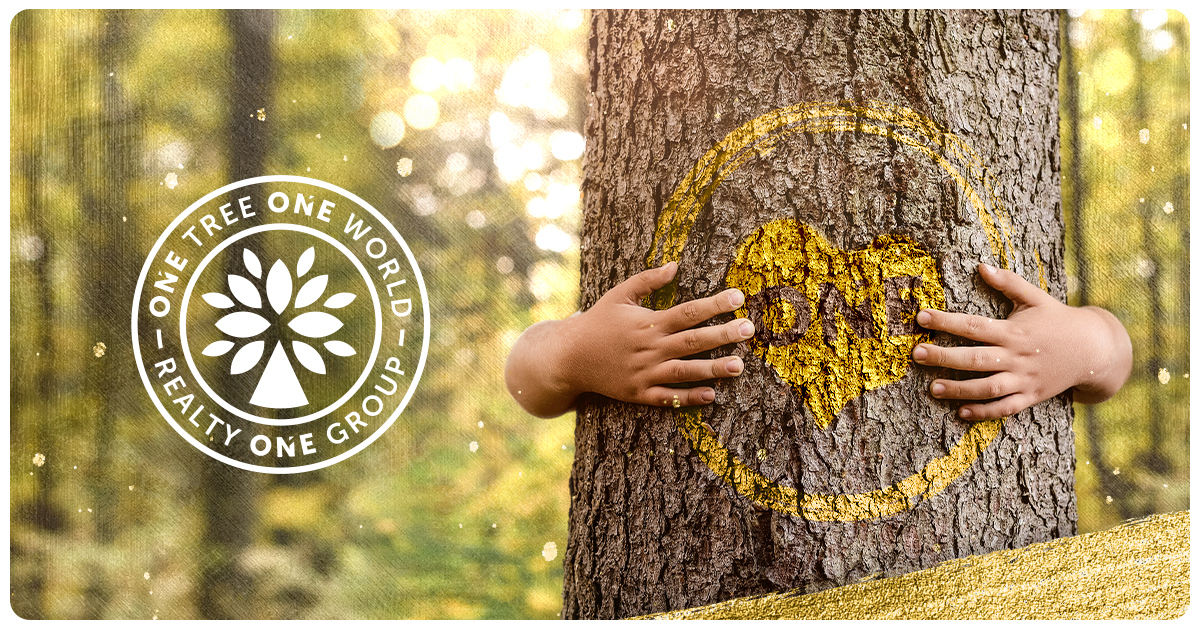
Realty ONE Group Bold CARES about our planet. Join us in participating in the ONE tree, ONE world program through Realty ONE Group International's ONE Cares 501(c) nonprofit – dedicated to improving the place we live, work, and thrive! Learn more about our commitment at: www.joinROGbold.com/community